
How to Create a Digital Marketing Plan That Actually Works
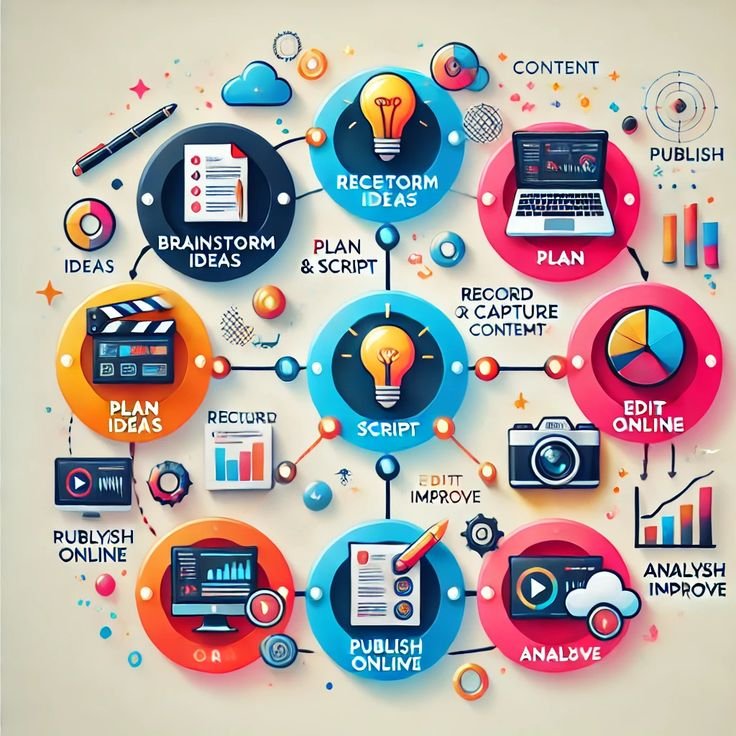
In today’s business world, almost every brand competes for attention online. This makes having a strong digital marketing plan essential. A business that markets without a clear strategy is like a ship sailing without a compass. It might move forward, but there’s no guarantee of reaching the right destination. To create a digital marketing plan that works, you need to understand your goals, your audience, your competitors, and the changing online landscape. This essay looks at how to design and carry out a digital marketing plan that can effectively help a business grow in 2025 and beyond.
The Importance of a Digital Marketing Plan
A digital marketing plan acts as a roadmap for all online marketing activities. It helps a company clarify its objectives, define its target audience, and decide on the best strategies to reach them. In a world filled with social media, artificial intelligence, and data-driven decisions, businesses without a clear plan risk wasting time and resources. The plan ensures consistency across marketing channels, brings teams together with shared goals, and allows companies to measure progress using real data instead of guesses. Essentially, a digital marketing plan turns marketing from a random collection of tactics into a clear, focused strategy.
Setting Clear and Measurable Goals
The first step in creating an effective marketing plan is to set clear, measurable goals. Goals give direction and help marketers understand what success looks like. A reliable method for setting goals is the SMART framework: goals should be Specific, Measurable, Achievable, Relevant, and Time-bound. For example, instead of saying, “We want more followers,” a SMART goal would be, “Increase organic website traffic by 40% and generate 100 qualified leads per month by the end of the next quarter.” This clarity allows marketers to design purposeful campaigns and makes it easier to track progress.
Understanding the Target Audience
A digital marketing plan is only as strong as its understanding of the target audience. Knowing who you are marketing to help tailor messages that connect emotionally and practically. Audience analysis should go beyond basic demographics like age and gender to include psychographic details—values, motivations, and behaviors. You can gather this understanding through surveys, analytics tools like Google Analytics, and insights from social media platforms.
For instance, a company targeting young professionals should know if its audience prefers visual platforms like Instagram or informational ones like LinkedIn. Creating detailed buyer personas—fictional yet data-based profiles of ideal customers—helps businesses craft personalized messages that address their audience’s needs and desires. When marketing communication feels relevant, it builds trust and increases the chances of conversion.
Researching Competitors and Market Trends
Analyzing competitors is another critical step in developing a successful marketing plan. Understanding what competitors are doing—what works for them and what doesn’t—helps spot opportunities and potential threats. Tools like SEMrush, Ahrefs, and SimilarWeb can offer insights into competitors’ keywords, website traffic, and advertising strategies.A thorough market analysis also involves watching broader digital trends. In 2025, for example, artificial intelligence, video content, and voice search optimization are among the fastest-growing areas in digital marketing. By keeping track of these trends, businesses can quickly adjust and stay ahead of the competition. This analysis not only helps a company compete effectively but also fosters innovation in the crowded online space.
Choosing the Right Marketing Channels
After identifying goals and the target audience, the next step is to choose the right marketing channels. Not every platform will suit every business. The goal is to focus on channels where the target audience is most active and receptive. The main digital marketing channels include search engine optimization (SEO), pay-per-click advertising (PPC), social media marketing, email marketing, and content marketing.
SEO is a long-term investment that builds organic visibility through relevant keywords and valuable content. PPC advertising can drive immediate traffic and conversions, making it ideal for time-sensitive campaigns. Social media platforms like Instagram, TikTok, and LinkedIn allow businesses to engage directly with customers, while email marketing remains one of the most effective tools for nurturing leads. The key is to maintain balance—diversify enough to reach different audience segments but focus enough to manage each channel effectively.
Developing a Strong Content Strategy
Content is at the heart of every successful digital marketing plan. In fact, content is often referred to as the “fuel” that powers all digital channels. A solid content strategy ensures that all messages shared across platforms are consistent, valuable, and aligned with the brand’s identity. The process begins by identifying topics that matter most to the target audience. For example, a fitness brand might focus on themes like nutrition, mental wellness, and home workouts.
Different types of content serve different purposes. Blog posts and articles are excellent for search engine visibility; short videos and reels drive engagement; infographics simplify complex information; and podcasts cater to listeners. To maintain consistency, marketers should create a content calendar that outlines what to post, where, and when. Using keywords, optimized headings, and engaging visuals helps maximize the impact of each piece of content.
Budgeting and Resource Allocation
No plan can succeed without realistic budgeting. A digital marketing budget ensures that resources are allocated efficiently to productive activities. The amount invested in each area will depend on the company’s goals, size, and target market. For instance, a startup may focus on organic strategies like SEO and social media engagement, while a larger company may invest heavily in paid advertising.
A typical budget might allocate 30% to paid campaigns, 25% to content creation, 15% to tools and analytics, 10% to email marketing, and the rest to testing new strategies or training staff. It’s important to review the budget regularly to reflect performance data. Channels that yield strong returns should receive more funding, while underperforming ones can be revised or scaled back.
The Role of Automation and Artificial Intelligence
In 2025, automation and artificial intelligence (AI) have become vital tools for digital marketers. Automation platforms like HubSpot, ActiveCampaign, and Hootsuite can manage repetitive tasks such as scheduling posts, sending emails, and segmenting audiences. AI tools can analyze large amounts of data, personalize user experiences, and assist in content creation.
For example, AI-powered chatbots provide instant customer support, while predictive analytics help identify leads most likely to convert. Automation saves time and ensures consistency and precision in executing the marketing plan. Businesses that leverage AI effectively gain a significant competitive edge through improved efficiency and data-driven decision-making.
Tracking, Measuring, and Optimizing Performance
An effective digital marketing plan isn’t static—it changes based on performance data. Measurement and analysis are crucial for figuring out what works and what doesn’t. Marketers should identify key performance indicators (KPIs) like website traffic, conversion rates, return on investment (ROI), cost per acquisition (CPA), and engagement metrics.Tools like Google Analytics, Meta Business Suite, and CRM dashboards can provide real-time insights into campaign performance. Regular reporting helps teams spot trends, adjust strategies, and make data-backed decisions. A/B testing—where two versions of a campaign element are compared—can help optimize ads, landing pages, and email subject lines for better results. Continuous improvement, rather than one-time perfection, is the essence of effective digital marketing.
Staying Agile in a Rapidly Changing Landscape
The digital marketing environment is constantly changing. New platforms emerge, algorithms update, and consumer behaviors shift quickly. A marketing plan that works today might become outdated tomorrow. Therefore, flexibility and adaptability are key qualities of a lasting plan. Businesses should stay informed about new technologies and trends, experiment with emerging channels, and be ready to pivot when necessary.
For example, short-form video content became dominant with the rise of TikTok and Instagram Reels, while AI-driven personalization has become essential in email and ad targeting. Companies that stay agile can take advantage of these changes before their competitors do.
Common Mistakes to Avoid
While many businesses invest in digital marketing, few see the results they expect due to common strategic errors. One significant mistake is trying to be active on every platform without a clear purpose. This usually spreads resources too thin and leads to inconsistent messaging. Another mistake is ignoring analytics—marketing decisions should always be based on data rather than gut feelings. Additionally, some businesses focus too much on short-term paid campaigns without building long-term organic visibility. Avoiding these mistakes requires discipline, patience, and continuous learning.
Conclusion
Creating a digital marketing plan that truly works is a thoughtful and ongoing process. It requires a balance between strategy and creativity, data and intuition, planning and flexibility. A successful plan starts with clear goals, a deep understanding of the audience, and a realistic budget. It is supported by high-quality content, strengthened through automation and analytics, and kept alive by adaptability and innovation.
In 2025, digital marketing is not just about promoting a product; it’s about building meaningful connections, delivering value, and gaining trust with audiences. When executed strategically, a digital marketing plan becomes more than a document; it becomes a living system that guides a business toward measurable and sustainable growth. As technology evolves, the brands that continue to plan, adapt, and execute thoughtfully will be the ones that thrive in the digital world.